






Got a new casserole dish? Or maybe a treasured one passed down from a family member? Here’s how to bring out the best in every slow-cooked meal.
This guide will help you cook with your casserole dish like a pro and make this timeless classic the star of your table
What is a casserole dish used for?
The casserole dish is a slow-cooking stalwart, gently transforming food over time. It’s perfect for tenderising even the toughest cuts and impressing your guests. We love it for:
- Slow-cooked favourites: beef stew, Lancashire hotpot and hearty shepherd’s pies…Explore classic British recipes alongside flavours from around the world!
- Slow, gentle cooking: letting the flavours meld and caramelise naturally, giving you tender, richly flavoured pulled meat every time.
- Baking: from homemade bread and soft brioches to roast chicken. Plus, its sturdy design means it works beautifully on any heat source.
The advantages of a casserole dish
A casserole dish brings many perks to the table:
- Even heat distribution
- Gentle cooking
- Heat retention
- Versatile cooking options
- Compatible with all hobs
Which burners should I use for my casserole dish?
If there is one item that has stood the test of time in the kitchen, it’s the casserole dish! It can be used on almost any heat source, provided you choose the right material and follow a few simple rules.
Is a casserole dish compatible with induction hobs?
Yes, but not all of them. To be compatible with induction hobs, your casserole dish must have a ferromagnetic material at the base, such as cast iron or stainless steel.
Casserole dishes and induction hobs: tips for use
- Make sure your hob is suitable for the diameter of your casserole dish.
- Place the casserole dish in the centre of the hob.
- Be sure to heat it up gradually.
Is a casserole dish compatible with gas?
All casserole dishes are suitable for use on a gas hob.
Casserole dish and gas: tips for use
- The flames should be blue, which is a sign of proper combustion.
- The flames should not extend beyond the sides of the pot, as this could burn the handles.
Is a casserole dish compatible with an electric hob?
Absolutely, electric hobs work very well with casserole dishes.
Casserole dishes and electric hobs: tips for use
- An electric hob takes longer to heat up...and to cool down! So take advantage of the residual heat to keep your dishes warm.
- Again, choose a hob size that is suitable for your casserole dish.
How to use a casserole dish in the oven?
This casserole dish can be used on the hob and is also compatible with most ovens. Just take a few simple precautions to ensure safe cooking
Oven temperature for the casserole dish
The casserole dish doesn’t like sudden heat! Keep the temperature between 150°C and 180°C, and avoid turning the oven too high.
For cooking at temperatures above 200°C, remember to check that the lid and handles are suitable for high temperatures.
What recipes are good for a casserole dish in the oven?
The possibilities are endless, but here are a few recipes that are perfectly suited:
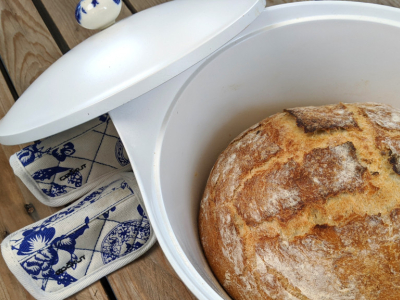
- Cocotte bread: with its crispy crust and soft crumb, homemade bread has never tasted so good.
- Savoury or sweet cakes: that stay irresistibly moist.
- Shredded pork or beef: slow-cooked at a low temperature for irresistible results.
- Hot pot: a cosy, homely classic, slow-cooked to perfection.
- Fish in a parcel: skip the fiddly baking paper - your casserole dish and lid do the job perfectly. Ideal if folding isn’t your thing!
Casserole dish with or without lid in the oven?
It’s a good question! As with most things in cooking, it really depends on the result you’re aiming for.
- With the lid: perfect for stews. The steam stays trapped, keeping food moist and gently cooked.
- Without the lid: take it off 10-15 minutes before the end of cooking to brown, glaze, or caramelise the top of your dish.
Using the lid of the casserole dish correctly
The lid is a great help in keeping your dishes moist and preventing them from drying out. Some lids even have spikes that catch and redistribute cooking juices, basting your food for extra succulent results.
It should fit snugly on the casserole dish to trap steam, then be removed at the end of cooking if you need to reduce the juices or brown your dish.
Useful accessories for casserole dishes
To get the most out of your casserole, there’s a wide range of accessories available to complement your cooking style.
You could try:
- Frying basket or tray
A few tips for your casserole dish
Preheat your casserole dish according to your recipes
Golden rule: never heat it empty! Using your casserole dish without any fat can cause thermal shock, which may damage the coating or warp the base
The best thing to do:
- Heat gently at first and gradually increase the temperature. Cooking over medium heat preserves flavours without damaging your equipment.
- Some recipes call for quick searing, such as browning meat. In these cases, always use a little fat - never heat the dish dry, and avoid very high temperatures
Choosing the right fat
Did you know not all oils are suitable for cooking? When oil starts to smoke, it has reached its smoke point. Beyond this, it can give off an unpleasant smell and affect the flavour of your food.
✅ Good choices: Sunflower, coconut, peanut, grape seed, olive (non-virgin).
❌ Reserve for your salads: extra virgin olive oil, walnut oil, flaxseed oil or rapeseed oil. Their smoke points are below 160°C, so do not heat them to preserve their nutritional qualities.
Roasting vegetables in your casserole dish
➡️ Sauté vegetables in a little fat, then add a teaspoon of sugar, a pinch of salt, and a splash of water. Cover and cook gently over low heat for a few minutes
The result? Carrots, spring onions, peas... all as beautiful as they are delicious.
Brown your dishes by finishing them off in the oven
Can your casserole dish go from hob to oven? It can! And it’s perfect for gratins that are soft inside and beautifully crispy on top.
➡️ Remove the lid and switch your oven to grill mode.
You get a golden crust, perfect for stews, roasted meats, bread baked in a casserole dish, etc.
Place an eggshell in your casserole dish between uses
Do you love to cook strongly flavoured dishes like curries or tagines? While spices are great for your health, they can leave stubborn, lingering smells in your pot.
A great hack is keeping hold of your eggshells! Their natural porosity helps absorb lingering odours between uses
➡️ Simply place a dry eggshell in the casserole dish between uses, and that's it!
Your casserole dish for sweet recipes!
The casserole dish is not just for lovers of slow-cooked dishes; it can also delight those with a sweet tooth.
Here are a few sweet ideas for the casserole dish:
- Homemade brioche
- Caramelised apples, poached pears, roasted nectarines
- Rice pudding
Casserole dishes: mistakes to avoid
Adding cold water to a hot casserole dish
Just like you wouldn’t jump into a cold pool after hours in the sun - doing the same with a hot casserole dish can cause thermal shock and damage the coating.
Wait until the temperature has dropped a little before cleaning it, or use hot water to adjust the cooking.
Overfilling your casserole: steam can no longer circulate
It’s tempting to cook for an army, but overfilling your casserole dish can lead to uneven cooking, overflowing sauce, and steam that doesn’t circulate properly.
For best results, leave ¼ of the volume free. This gives the steam enough space to rise and fall back down in droplets onto your food. If in doubt, opt for a larger casserole dish, such as a 28 cm casserole dish!
Using the wrong cooking oil
Avoid using extra virgin olive oil for cooking - we can’t stress this enough! Its well-known low smoke point makes it unsuitable for high heat
As a reminder: the smoke point is the temperature at which oils start to smoke continuously. Oil that reaches this point can affect the taste of your food, become harmful, or even damage the coating of your casserole dish.
➡️ Therefore, opt for the special cooking oils mentioned above: sunflower, coconut, peanut, grape seed, olive (non-virgin).
Using metal utensils in a casserole dish
If you find yourself reaching for a metal spoon or knife when cooking with a casserole, stop right there! You’re likely to damage your dish.
Metal utensils can scratch the enamel and wear it down over time. Wooden utensils are the best option (plus remember to always cut meat on a chopping board, never in the dish). Trust us, your casserole will thank you!
Cooking over too high heat
The casserole dish likes to take its time. Cooking on high heat with it is risky:
- Burning food and spending hours cleaning it.
- Damaging the coating of your casserole dish or warping the bottom.
- Melting the knob on the lid or the handles if they are not oven-safe
Use a maximum 200°C heat for your casserole unless otherwise specified by the manufacturer.
Got some food residue stuck to your pot? No worries. Check out our guide to keeping your casserole dish clean and well-maintained, naturally and effectively.
Cook well with a Cookut casserole dish!
Now you know everything there is to know about cooking in a casserole dish!
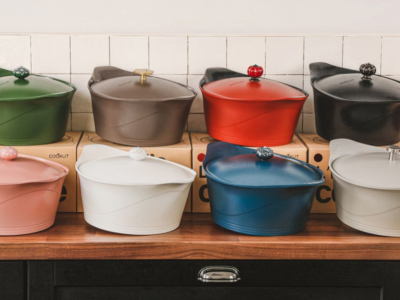
But beware, they’re not all created equal. And if there's one that ticks all the boxes, it's our very own Incredible Cocotte. That's why it deserves a place of honour in your kitchen (and in your heart ❤️).
Easy-to-use casserole dishes
The Incredible Casserole Dish is as versatile as it is practical. Its non-stick ceramic coating prevents food from sticking, making cooking easier and cleaning effortless
Plus, there are a wide range of brilliant accessories available to bring all your recipe ideas to life.
Casserole dishes compatible with all hobs
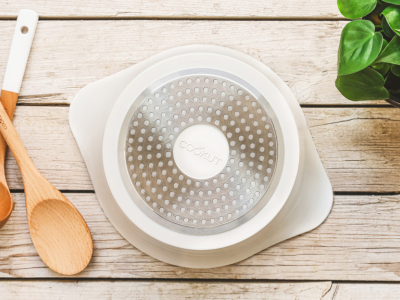
Thanks to the steel ring at its base, it’s compatible with every type of hob - induction, gas, electric, or ceramic. It’s also oven-safe up to 240°C.
Sustainable cookware without PFAS
At Cookut, we believe in healthy, responsible cooking. That’s why your Incredible Cocotte contains no PFAS - the controversial, long-lasting pollutants often found in cookware.
Built to last, it might just be time to discover it for yourself (and fall in love in the process).
Bon appétit !